
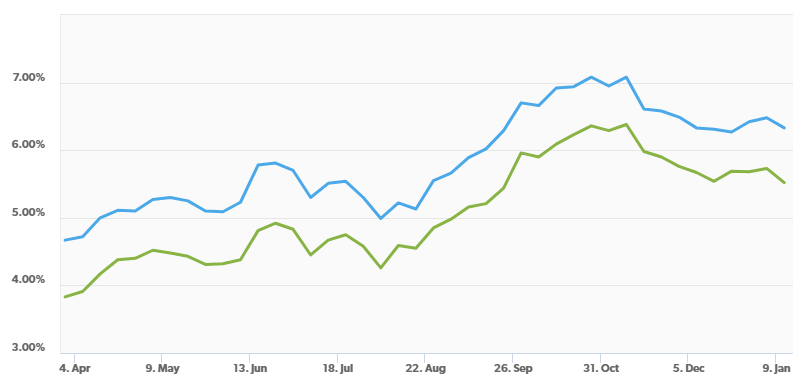
What’s Driving Mortgage Rates Right Now? (And What Buyers Should Know)
If you’ve been watching mortgage rates lately, you’ve probably noticed they’ve been moving around more than usual.
As of early April, the average 30-year fixed rate is sitting in the mid-6% range. That’s not dramatically higher than recent months, but the reason behind the movement is what matters—and it’s something buyers and realtors should understand.
Why Are Mortgage Rates Moving?
Mortgage rates are heavily influenced by the bond market, inflation expectations, and global economic events.
Right now, one of the biggest factors is global tension in the Middle East, particularly around key oil supply routes like the Strait of Hormuz. This area handles a significant portion of the world’s oil.
When there’s uncertainty in energy markets:
- Oil prices tend to rise
- Inflation expectations increase
- Bond yields move higher
- Mortgage rates often follow
It’s not that one event directly “sets” rates, but it creates volatility—and rates react to that.
What Is the Federal Reserve Doing?
The Federal Reserve is currently in a holding pattern.
They’re watching two main things:
- Inflation
- The job market
If inflation continues to cool and the job market softens, we could see downward pressure on rates later this year. If not, rates may stay elevated longer.
Three Key Factors That Could Shift Rates
Here’s what to keep an eye on in the coming months:
1. Energy and Oil Headlines
If global tensions ease and oil stabilizes, that can help bring rates down.
2. Inflation Data
Lower inflation is one of the biggest drivers of improving mortgage rates.
3. The Job Market
A cooling job market often signals less inflation pressure, which can lead to lower rates.
What Buyers Are Hearing (And What’s Actually True)
There’s been a lot of talk recently about corporations no longer being able to buy single-family homes.
Here’s the reality:
There are proposals targeting large institutional investors, but:
- They are narrow in scope
- They are still working through the legislative process
- They are not a broad ban
What this actually means:
It could reduce competition in certain markets, but it is not a solution to overall affordability.
What This Means for Buyers
Many buyers are waiting for rates to drop before making a move. That’s understandable—but it’s not always the best strategy.
Here’s why:
- Home prices can continue to rise even if rates fall
- More buyers tend to enter the market when rates drop
- That increases competition
In many cases, buyers today can:
- Negotiate seller concessions
- Use rate buydowns
- Refinance later if rates improve
Final Thoughts
Mortgage rates are influenced by a combination of inflation, economic data, and global events—not just one headline.
Right now, we’re in a market where:
- Rates are stable but sensitive
- Opportunities still exist
- Strategy matters more than timing
If you’re a buyer or working with one, the best move is to look at the full picture—not just the rate.
Need Help Running the Numbers?
Every situation is different. Whether you’re comparing loan options, looking at a buydown, or just trying to understand what makes sense right now, I’m happy to help.
Reach out anytime and we can walk through it together.